
- Monday-Friday 8-6 CST1-800-276-6508
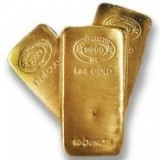
Today, buying gold and silver is easier than ever since there are so many options available. However, this abundance of purchase options will often raise the question of what is the best way to buy precious metals. Our answer is that the “best” way will depend on the individual preferences and needs of the customer. While we are understandably partial in our opinions regarding this matter, we would like to discuss some of the best ways to purchase precious metals.
The two most common places where you can purchase precious metals are from an online dealer, such as JM Bullion, or a local coin shop. We have a fuller comparison of what local coin shops do well and where they fall short if that is the route you are weighing. Local coin shops offer customers a place where they can view their items in person prior to making purchases. Online dealers, on the other hand, are obviously more of a recent development. They serve as a virtual storefront for precious metals companies and enable customers to make their purchases online.
Shop for gold at JMBullion.com
In principle, making a purchase from both of these establishments is very similar. You browse their selection until you find some merchandise that appeals to you and then you pay for your purchase. However, there are significant differences between the practices of these stores that can greatly affect both the shopping and the overall customer experience.
The most obvious difference between these two establishments is convenience. With local coin shops, customers are bound to a specific location, which they must physically visit in order to make their purchase. In addition, customers who decide to make their purchases locally will find their shopping restricted to the prescribed business hours of that particular store. In contrast, online dealers are available 24 hours a day and can be accessed from anywhere, which means that customers are free to shop and make their purchases without any location and time constraints.
Another way in which online shopping differs from shopping in person is the selection. Unlike local shops which must limit their selection to the tastes and preferences of a smaller client base, online dealers offer a wide variety of products to appeal to the thousands of customers who browse their websites on a daily basis. Online stores also have an advantage over local shops because their websites provide them with the necessary space to showcase their large range of products. Local stores have to limit their selection of merchandise to fit the confines of the store display cases and windows.
Customers who have done their research will notice that online dealers can typically offer more competitive prices than their local coin shop establishments. This price reduction is due to the fact that online dealers have fewer expenses to cover. Virtual storefronts usually do not incur the same overhead costs that brick and mortar stores do, such as rent or utilities. As a result, virtual dealers are able to pass these savings to their customers and offer lower product premiums. The premium over spot is the figure worth comparing between any two sellers, since it is the part of the price that is not the metal.
Perhaps the largest and most important difference between these establishments is the level of safety. Although there are those who might argue that buying precious metals online puts customers at risk by not allowing them to view their purchase beforehand, customers are actually at just as much risk when buying locally. While there are some less reputable dealers who may try to mislead customers with their product descriptions, the majority of online stores deal directly with the mints and distributors that manufacture their merchandise. Such direct sourcing makes it far less likely that a customer will receive anything other than the genuine product. In comparison, many local coin shops, which double as resale shops, may not always be able to verify the authenticity of their acquired merchandise before selling them to their clients.
Online dealers also protect the personal safety of their customers by allowing them to make their purchases in the privacy of their own home. Unfortunately, customers making their purchases at local establishments are unable to remain anonymous. Once seen visiting a local coin shop, others may take notice and assume that the person owns some form of precious metals. Discretion is one of the quieter advantages of buying online.
Among the major decisions that a person will encounter during the initial investment process is whether to purchase actual physical metal or one of the paper alternatives, such as gold and silver ETFs, but before they can make this decision, it is important to understand what these terms mean and how each one operates. The term physical metal refers to an actual piece of precious metal bullion that has been purchased by an investor and delivered to said investor. These precious metals are restricted to the sole use of the purchasing investor, who is free to sell or trade these items as they see fit. No third party individual or establishment is allowed access to them. Although physical metals possess higher transaction costs than their paper counterparts, many investors consider them as the only “true” way of owning precious metals.
In contrast, the term “paper” metal refers to any situation in which the individual has not purchased or taken delivery of any physical precious metals, but has documentation that indicates ownership of them. There are many ways to invest through “paper metals.” One way is through precious metal ETFs (exchange-traded funds), in which a trust that actually possesses physical metals allows investors to buy shares. Another option which enables customers to buy shares in precious metals are mining stocks, except these shares are through the stock exchange from gold and silver mining companies. They can even open up a precious metals account if they prefer to deal with smaller companies or investors. Lastly, customers can invest through precious metals futures that enable them to anticipate purchases ahead of time.
While “paper” metals offer lower transaction costs on precious metals investments, there are many risks and drawbacks to these forms of investments. In almost every instance of “paper” metal investing, the precious metals themselves are held or controlled by a third-party company or institution and offer investors limited accessibility. The risks are real, but they are not the ones most often described. No sponsor, trustee or custodian has any right to seize metal belonging to investors, and in a properly structured trust the metal remains the property of the trust even if the custodian fails. The genuine concerns are different. Where metal is held on an unallocated basis, the investor is an unsecured creditor of the institution rather than the owner of identified bars. Redemption for physical metal is generally available only to large authorized participants, in quantities far beyond the reach of an individual, so a retail holder who wishes to exit receives cash rather than bullion. Custody is frequently delegated to sub-custodians, and oversight diminishes at each remove. The distinction between allocated and unallocated holdings is the one that matters most here, and it is worth understanding before committing to either. For investors seeking more security and personal control over their precious metal assets, physical metal investments are typically a better option.
As in the case of gold and silver purchases, customers who intend to buy copper and platinum will benefit more from making their purchases online than at a local coin shop. Platinum is a precious metal and copper is a base metal, but the purchasing considerations are much the same. Buying either from an online vendor entitles the customer to the same advantages offered on online gold and silver orders, such as easier accessibility, better pricing and more privacy. Furthermore, at JM Bullion, the transaction process remains the same regardless of which precious metals the customer chooses to purchase. While we respect the individual preferences of our customers, we would like to warn customers who intend to purchase copper and platinum locally that the availability of these metals will be dependent on the specific inventory of each coin shop.
By purchasing their gold and silver online, customers are able to reap a number of benefits that simply are not available at local coin shops, which is why we encourage you to make your purchase online with us at JM Bullion. We provide our customers with wider selections, lower prices and safer transactions as well as free shipping on orders over $199 and insurance on all orders. If you would like to learn more about the benefits of buying online from JM Bullion, please give us a call at 800-276-6508. You are also free to reach us through live chat or online forms.
Subscribe to the JM Bullion newsletter to receive timely market updates and information on product sales and giveaways.
Major Payment Methods Accepted

Download Our Free App Today


© Copyright 2026 JM Bullion. All Rights Reserved. Your Privacy Choices