
- Monday-Friday 8-6 CST1-800-276-6508
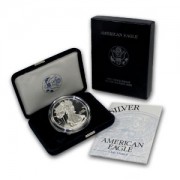
The following article will dive deeper into the specifics of both proof and uncirculated coins. Proof coins and Uncirculated coins are both popular among buyers of gold and silver, but for a few different reasons. A note on terms first: throughout this article “uncirculated” means an ordinary bullion coin, which is how the trade uses the word. The US Mint also sells a separate product it calls the Uncirculated, or burnished, coin – struck on specially treated blanks with a W mint mark and sold direct rather than through dealers. There are three lines in all: bullion, proof, and burnished uncirculated.
Proofs are almost always going to demand a premium when compared to raw Uncirculated coins, but they also carry a better presentation, quality, and a higher degree of scarcity.
Uncirculated coins are the most cost effective way to invest in gold or silver, because you are paying the smallest premium over spot for the metal. The bulk of the cost of these coins is comprised by the value of the silver content itself. With Proof coins, and especially silver Proofs, much of the cost will be found in the mark up. If you are investing with the intent of profiting from the increase in the price of gold and silver, buying raw coins would make the most sense.
The biggest asset of Proof coins is found in their collectability. These coins generally carry an exceptionally high quality presentation. Where raw coins are kept loosely in sleeves or tubes, Proofs are usually encased and often times kept in a case and/or folder. Aside from a certificate assuring authenticity, Proof coins also display in an exceptional manner. While any new coin should have its own amount of shine and glitter, the proof process gives them mirrored fields and frosted raised detail – the cameo effect – which is a different thing from the cartwheel luster you see on an ordinary struck coin.
Proof coins are traditionally gifts, presents and keepsakes. Many Proof coin buyers will distribute their coins for birthdays, to commemorate special events, or to build an annual collection. Since they are of such high quality, gold and silver Proof coins are one of the most in-demand collectibles in the entire market. While Proof coins do cost more than Uncirculated coins, their premium is not so significant that the majority of the value is found in the mark-up. Gold and silver Proofs offer a sound mixture of investment and collectability.
Regular coins are struck once, giving them a clean and complete finish. Proof coins are struck at least twice, but the strike count is not really the point. Proofs are made with hand-polished dies and specially prepared blanks, fed one at a time into slower presses at higher pressure, and inspected individually. That whole process, not the second blow, is what produces the finish. The attractive and appealing nature of Proof coins is one of the primary reasons as to why they are so popular.
In terms of comparative scarcity, using American Silver Eagles as a reference point, Proofs are produced in far smaller numbers than bullion coins – in recent years a low single-digit percentage of bullion output rather than anything approaching a tenth of it. The US Mint publishes annual mintage figures for each. Since raw coins tend to be the primary medium for investors, bulk sales of Proof coins are not as common.
The value of Proof coins is almost always going to be more significant than that of a similar uncirculated, non-proof coin (when discounting other numismatic coins, such as key dates, errors, etc.). This is the bullion versus numismatic distinction in miniature, and it is also worth knowing about reverse proof coins and graded and certified coins. Prices vary by product, which is covered in why silver coins carry different prices. The relative mark-up is larger in silver Proof coins than it is in gold Proof coins. In silver, most Proofs will have a mark-up that comprises a sizable percentage of the overall cost. With gold, however, the added expense in Proof editions is much more minimal when compared to the total cost of the coin.
Subscribe to the JM Bullion newsletter to receive timely market updates and information on product sales and giveaways.
Major Payment Methods Accepted

Download Our Free App Today


© Copyright 2026 JM Bullion. All Rights Reserved. Your Privacy Choices