





Free Silver Price Widget For Your Website
This feature is only supported in the desktop browsers. Please visit this page in your desktop browser to retrieve the widget.
Share live silver prices with your website followers or on your blog, using our free silver price widget. To get started, please select one of the size dimensions from the drop-down menu below, and copy the code from the Widget Code text box and paste it into the desired position in your page. If you have any trouble, please contact us at support@jmbullion.com.
Widget Preview
Widget Code
Silver Prices in Pakistani Rupee
Silver is a global commodity, and is exchanged all over the world. The price of silver is constantly on the move, and prices are typically quoted by the ounce, gram and kilo. Silver can be quoted in and transacted using any currency. If you are looking to buy or sell silver in Pakistan, you would see prices quoted in the local currency, the rupee.
The Pakistani Rupee is the official currency of Pakistan. The State Bank of Pakistan issues and controls the nation’s currency.
The Pakistani Rupee was first introduced in 1947. At that time, the currency consisted of British Indian coinage and banknotes with “Pakistan” stamped on them. This did not last long, however, as new coins and banknotes were introduced the following year. At one point, the rupee could be divided into 100 smaller units of currency called paise. After not minting these smaller currency units for nearly two decades, they ceased to become good, legal tender.
The Pakistani Rupee was pegged to the British Pound until the early 1980s when the government switched it to a managed float.
Silver Pricing in Pakistani Rupee
Silver prices in Pakistan are likely quoted by the ounce, gram and kilo in rupee. Silver prices can and do fluctuate. Prices can see relatively quiet periods and can see periods of large price swings and market volatility. The silver market can potentially be affected by numerous factors. Some of the biggest potential influences on the price of silver may include:
- Coin demand
- Interest rates
- Inflation
- Investor sentiment
- Currency markets
- Industrial demand
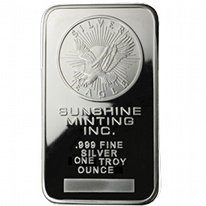
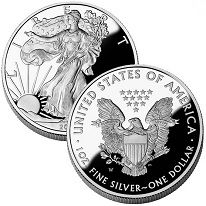
Silver may be bought for investment in the form of jewelry, coins, rounds or bars. Investors may look to buy silver not only for its price appreciation potential, but also because it may potentially provide a meaningful hedge against inflation and declining currency values.
Unlike gold, which has primarily investment and jewelry demand, silver also may benefit from industrial demand. The white metal is used in various areas of industry such as solar energy, chemical production and health care. More and more potential applications may be uncovered for silver, and this could potentially fuel rising prices.
The State Bank of Pakistan
The State Bank of Pakistan is the country’s central bank. The main branch of the bank is located in Karachi, and it has multiple branches spread out over the country.
Like many other central banks, the State Bank of Pakistan holds physical gold bullion as part of its reserves. The central bank is in charge of maintaining and promoting monetary stability and for managing the country’s credit system. The central bank has significant authority and can conduct monetary policy, limit government borrowing and regulate the nation’s banking system.
The Pakistan Mint
The Pakistan Mint is located in Shalimar Town, Lahore. The mint is governed by the State Bank of Pakistan and has been in operation since the early 1940s. The mint currently produces various denominations of rupee coins as well as medals, stamps and seals.
The Pakistani Economy
Pakistan’s economy is semi-industrialized and the nation is considered to be a developing country. Pakistan’s economy could potentially see significant growth in the coming years and its economy could potentially become one of the largest in the world in the coming decades.
Agricultural remains a key component of the Pakistani economy. Pakistan is one of the world’s largest producers of apricots, wheat, chickpeas and mango. The country exports numerous food products including rice, fish and fruits.
Pakistan’s industrial sector is a significant employer and is responsible for much of the country’s exports. Pakistan is looking to increase its large-scale manufacturing capabilities, and the country currently does significant business in the cotton textile and clothing industries.
If Pakistan sees increasing economic growth, the country could attract additional foreign investment. More citizens joining the workforce along with the potential for higher wages could potentially fuel an increase in silver jewelry demand as well as demand for silver coins, rounds and bars.
World Silver Prices
- Arab Emirates Silver Prices
- Australia Silver Prices
- Brazil Silver Prices
- Canada Silver Prices
- Chile Silver Prices
- China Silver Prices
- Czech Republic Silver Prices
- Denmark Silver Prices
- Europe Silver Prices
- Hong Kong Silver Prices
- Hungary Silver Prices
- India Silver Prices
- Indonesia Silver Prices
- Israel Silver Prices
- Japan Silver Prices
- Malaysia Silver Prices
- Mexico Silver Prices
- New Zealand Silver Prices
- Norway Silver Prices
- Pakistan Silver Prices
- Philippines Silver Prices
- Poland Silver Prices
- Russia Silver Prices
- Singapore Silver Prices
- South Africa Silver Prices
- South Korea Silver Prices
- Sweden Silver Prices
- Switzerland Silver Prices
- Taiwan Silver Prices
- Thailand Silver Prices
- Turkey Silver Prices
- United Kingdom Silver Prices
- United States Silver Prices

